
Introduction
Understanding your competitors’ strategies, strengths, and weaknesses is crucial for devising effective business strategies. However, acquiring this information can be challenging, especially for small businesses with limited resources. Fortunately, there are several free competitor analysis tools available that can provide valuable insights to fuel your strategic growth. In this blog post, we’ll explore some of the top free competitor analysis tools that can help you gain a competitive edge in your industry.
Top Free Competitor Analysis Tools
2. SimilarWeb
3. SpyFu
4. SEMRush
5. Moz
6. Buzzsumo
7. SE Ranking
1. Google Alerts
Google Alerts is a powerful tool that allows you to monitor the web for mentions of specific keywords or phrases, including your competitors’ brand names. You can set up alerts for your competitors’ names, products, or industry-related keywords and receive email notifications whenever new content containing those keywords is published online. This can help you stay updated on your competitors’ activities, product launches, marketing campaigns, and industry trends in real time.

2. SimilarWeb
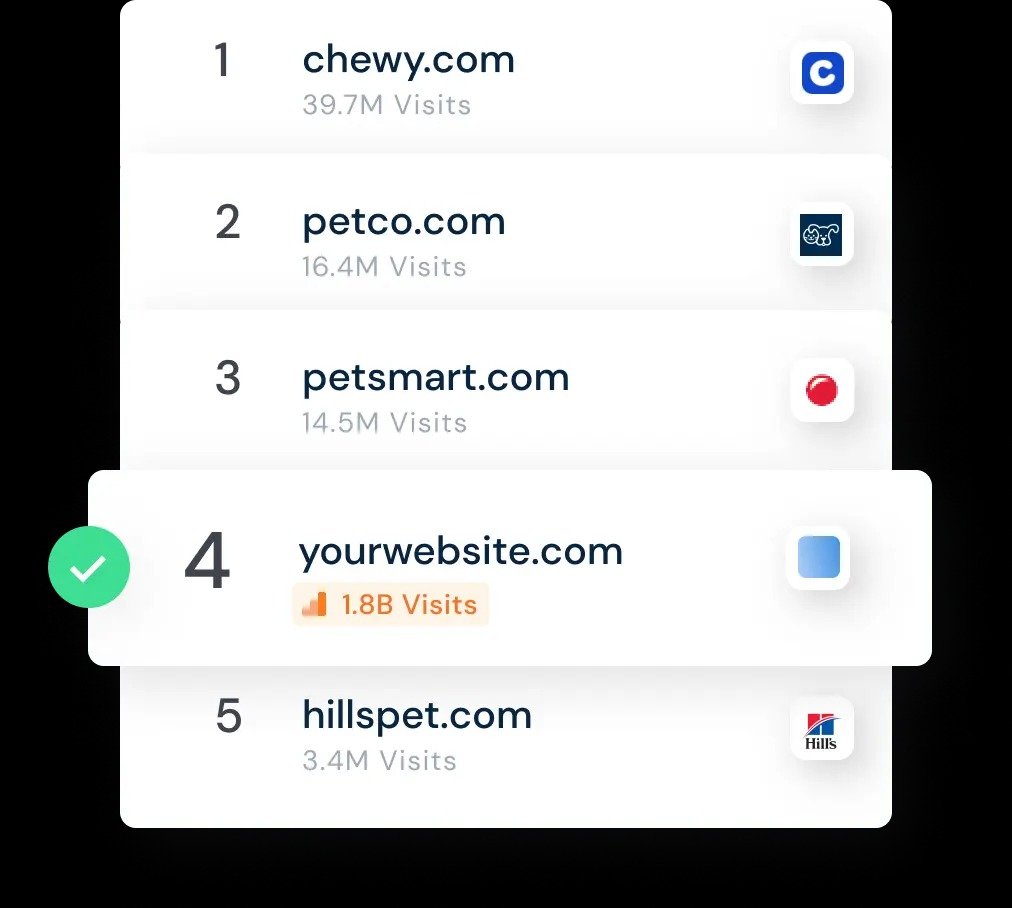
SimilarWeb provides insights into website traffic, audience demographics, and engagement metrics for any website, including your competitors’. With SimilarWeb, you can analyze your competitors’ website traffic sources, top-performing content, audience interests, and engagement levels. This information can help you identify opportunities to improve your own website’s performance and reach a broader audience.
3. SpyFu
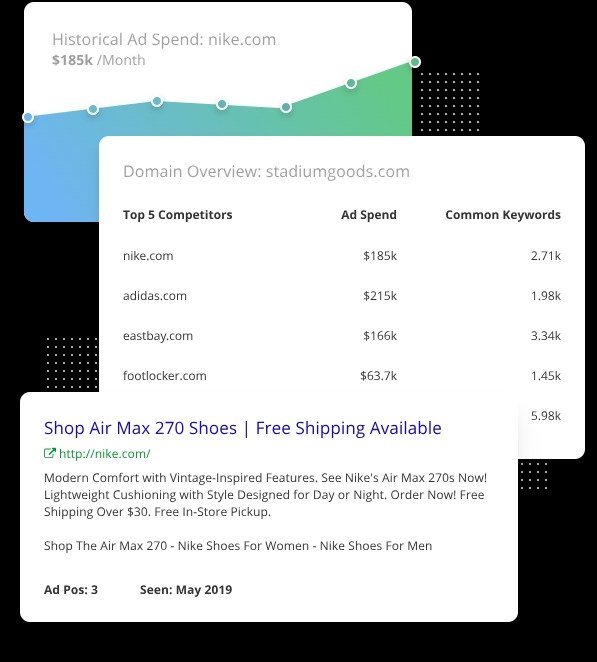
SpyFu is a competitive intelligence tool that allows you to spy on your competitors’ online advertising strategies, including their Google Ads campaigns and organic search rankings. With SpyFu, you can see which keywords your competitors are targeting, how much they’re spending on ads, and which ad copy is performing best for them. This information can help you optimize your own advertising campaigns and improve your search engine rankings.
4. SEMRush
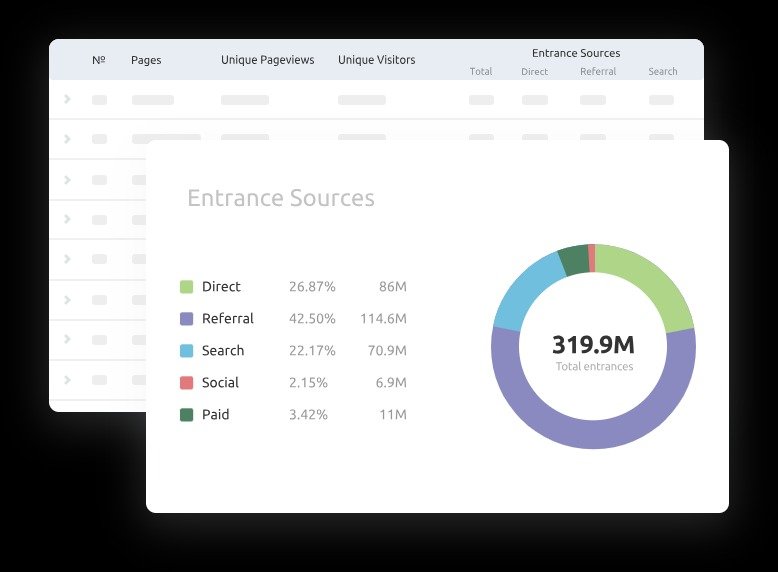
SEMRush is another powerful competitive intelligence tool that provides comprehensive insights into your competitors’ online presence. With SEMRush, you can conduct keyword research, track organic and paid search rankings, analyze backlink profiles, and monitor social media performance. By benchmarking your performance against your competitors, you can identify areas for improvement and develop a more effective digital marketing strategy.
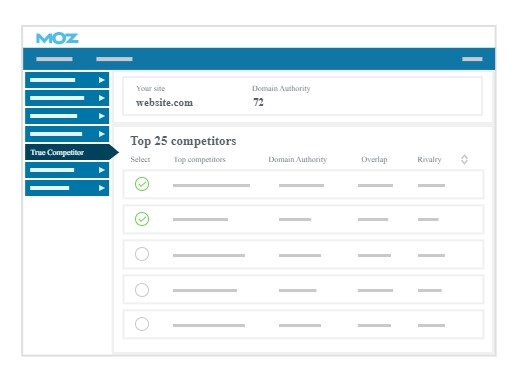
5. Moz
Moz’s Link Explorer is a free tool that allows you to analyze the backlink profiles of your competitors’ websites. You can see which websites are linking to your competitors, the authority of those websites, and the anchor text used in the backlinks. This information can help you identify potential link-building opportunities and improve your website’s search engine rankings.
6. Buzzsumo
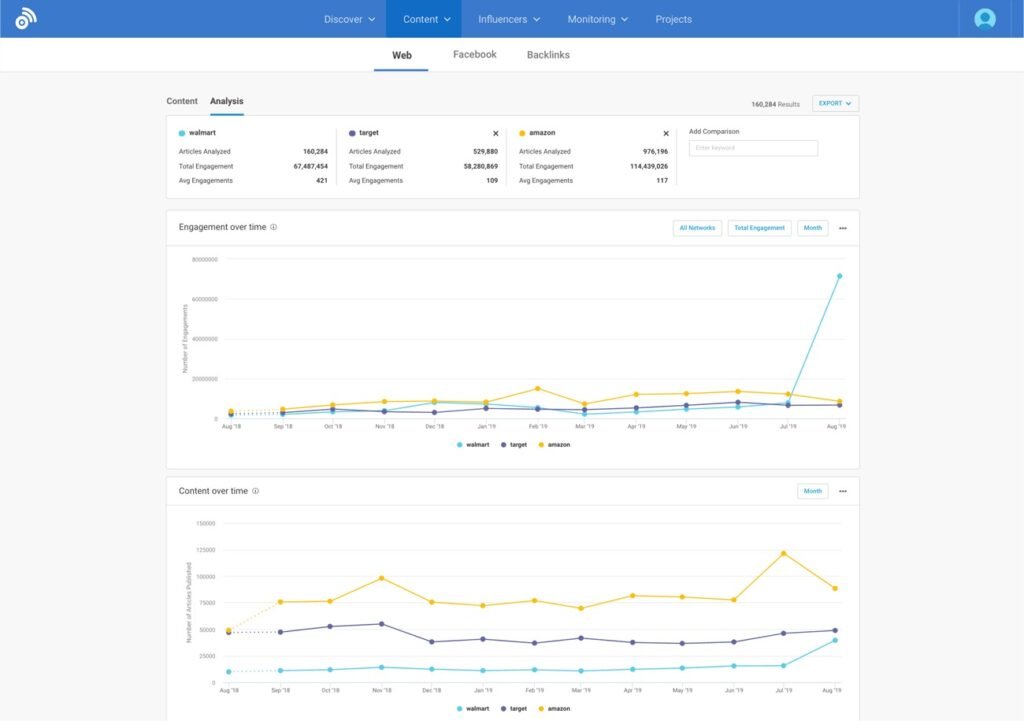
Buzzsumo is a content analysis tool that allows you to discover the most popular content on any topic or from any website, including your competitors’. With Buzzsumo, you can see which content is generating the most engagement and social shares in your industry. This can help you identify content gaps, understand what resonates with your target audience, and create more compelling content that drives traffic and engagement.
7. SE Ranking
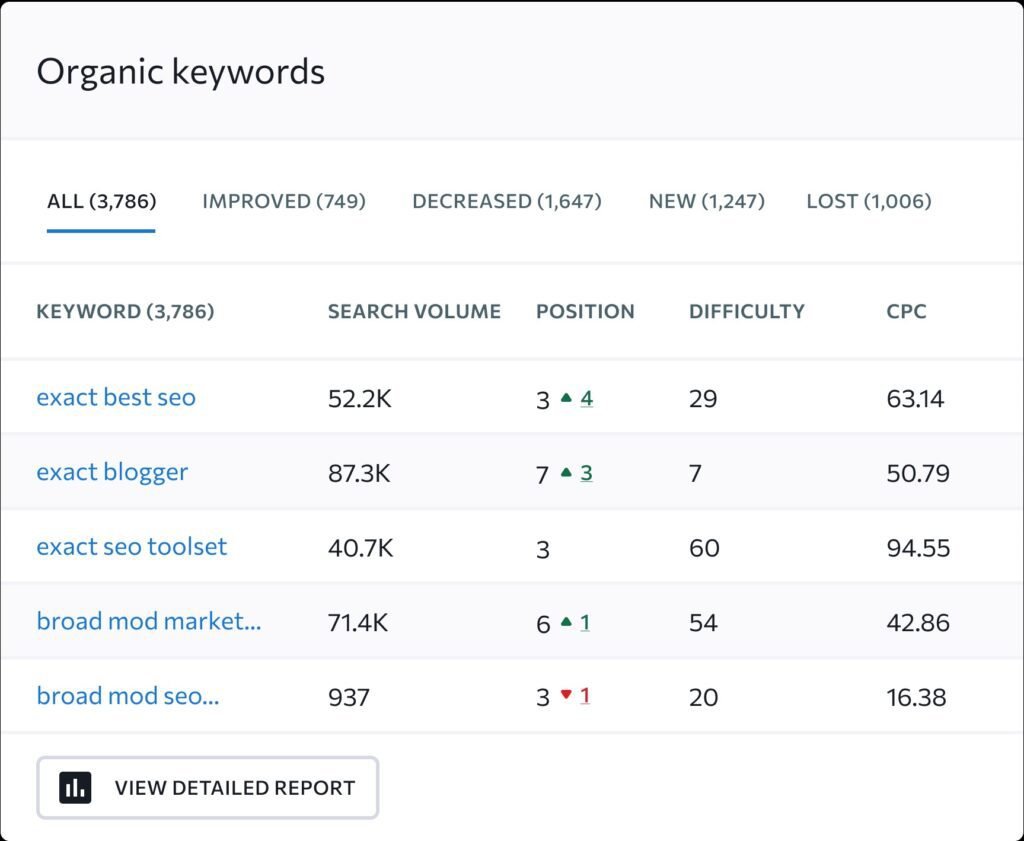
SE Ranking is an all-in-one SEO platform that offers a range of tools for keyword research, rank tracking, website audit, and competitor analysis. While SE Ranking does offer paid plans, it also provides a free version with limited features. With SE Ranking, you can track your competitors’ search engine rankings, analyze their backlink profiles, and compare their SEO performance against your own. This can help you identify competitive threats and opportunities and fine-tune your SEO strategy accordingly.
Competitor Analysis Tools
| Tool | Best For | Key Insight |
|---|---|---|
| Google Alerts | Monitoring | Brand and industry mentions |
| Similarweb | Traffic research | Traffic, audience, and channels |
| SpyFu | SEO and PPC | Keywords, rankings, and ads |
| Semrush | SEO research | Keywords, backlinks, and gaps |
| Moz | Backlinks | Competitor link profiles |
| BuzzSumo | Content | Popular topics and competitor content |
| SE Ranking | SEO monitoring | Rankings and competitive performance |
Free vs Paid Competitor Analysis Tools
Free tools are often enough for initial research, especially for small businesses or websites starting their SEO efforts.
They can help you:
- Identify competitors
- Monitor mentions
- Find basic keyword opportunities
- Research popular content
- Review some backlink information
- Understand traffic trends
Paid platforms become more useful when you need larger datasets, historical information, advanced competitor comparisons, automated reporting, or research across multiple websites.
The goal isn’t to use every tool. Choose the tools that provide information you can actually turn into business decisions.
Conclusion
Competitor analysis is most valuable when it turns research into action. Use the right tools to identify keyword gaps, content opportunities, backlink prospects, traffic trends, and competitor strategies, then use those insights to strengthen your own SEO and digital marketing efforts. As search continues to evolve across Google and AI-powered platforms, regular competitor analysis can help your business identify opportunities and stay competitive.
Want to turn competitor insights into a stronger SEO strategy? First Launch can help you identify opportunities, improve search visibility, strengthen content, and build a more effective organic growth strategy. Explore our services and contact First Launch to discuss your SEO goals.
Frequently Asked Questions
What is the best free competitor analysis tool?
There isn’t one tool that is best for every business. Similarweb is useful for traffic research, SpyFu for SEO and PPC research, BuzzSumo for content analysis, and Google Alerts for monitoring mentions.
Can competitor analysis improve SEO?
Yes. Competitor research can reveal keyword gaps, content opportunities, backlink prospects, and areas where competing websites provide a better user experience.
How do I find my SEO competitors?
Search your important keywords and identify the websites that consistently appear in the results. Tools such as Similarweb and SpyFu can also help identify competitors based on search overlap.
Are free competitor analysis tools enough?
Free tools can provide a useful starting point. However, businesses with larger websites or advanced SEO requirements may benefit from paid platforms with more extensive data and reporting capabilities.
How often should competitor analysis be performed?
A detailed competitor analysis can be performed quarterly, with lighter monitoring conducted monthly. The frequency should also depend on how competitive and fast-changing your industry is.

