
What is Marketing Automation?
Marketing automation refers to the use of software to carry out routine marketing activities automatically.It assists companies in saving time by performing repetitive tasks without human intervention.
Using marketing automation, businesses can handle email campaigns, plan social media updates, manage potential customers, categorize clients based on their preferences, and monitor marketing efforts all through a single system.
Rather than reaching out to each customer individually, companies can deliver customized messages tailored to a person’s actions, interests, and position in the buying process. This approach enhances customer interaction, supports lead development, boosts sales, and minimizes the need for manual effort.
Marketing automation also helps provide a consistent customer experience across different platforms. These can include websites, emails, search engines, social media, messaging apps, and other digital channels.
Marketing Automation Platforms
Marketing automation platforms typically offer tools to manage and measure marketing campaigns across multiple channels. They make marketing tasks easier by streamlining workflows. They also provide useful reports and data.
The main goal is to nurture potential customers with useful and personalized content. This helps turn them into satisfied customers.
Key Features of Marketing Automation Platforms
1. Email Marketing Automation
These platforms can automatically send personalized emails based on customer actions. For example, a customer may sign up for a newsletter, visit a website, make a purchase, or leave items in a cart.
Customer groups can also be created based on their interests and actions. This helps ensure that each customer receives relevant content.
2. Lead Generation and Lead Nurturing
Businesses can capture potential leads through forms, landing pages, chatbots, or downloadable content.
Once a lead is collected, the platform can send targeted content automatically. This process continues until the lead is ready to speak with the sales team.
3. Social Media Management
Marketing automation platforms help users schedule and publish posts on multiple social media platforms. They can also track how people interact with posts. Some platforms can automatically respond to comments or messages. This helps businesses stay consistent and save time.
4. Landing Page and Form Builder
Businesses can create landing pages to collect leads. These pages can help turn website traffic into conversions.
5. Analytics and Campaign Reporting
These platforms provide data on important metrics. These include email open rates, click-through rates, conversion rates, customer engagement, and return on investment (ROI).
This data helps businesses understand what is working. They can then improve their marketing campaigns over time.
Is Marketing Automation in Demand?
Yes. Marketing automation has become an important part of modern digital marketing. Its use is also growing across many industries. The rise of Neuromarketing, which uses neuroscience to understand consumer behavior, is also supporting this growth..
Businesses want to provide personalized customer experiences while saving time. Marketing automation helps them reduce routine work and improve campaign results. It also helps businesses make better use of customer data.
The growing use of Artificial Intelligence (AI), machine learning, predictive analytics, and first-party data has made these tools even more useful.
Whether you run a startup or a large company, marketing automation can help you grow your marketing efforts. It can also improve customer relationships and increase your return on marketing investment.
Who Uses Marketing Automation?
Marketing automation is used by businesses of all sizes in various industries.
B2B Companies
B2B companies use automation to manage long sales cycles and nurture leads. They can also score potential customers and send useful content. This helps leads move through the buying process until they are ready to talk to the sales team.
E-commerce Businesses
Online retailers use automation for emails sent to customers who left items in their cart. They also use it for product recommendations, communication after a purchase, loyalty programs.
These tools can also help bring customers back and encourage repeat purchases.
Digital Marketing Agencies
Digital Marketing agencies use automation to manage campaigns for multiple clients. They can automate reports, simplify daily tasks, and improve campaign results.
Large Enterprises
Large companies use automation to manage big customer databases. They can aslo organize marketing campaigns across different channels, and deliver personalized experiences on a large scale.
Small and Medium Businesses (SMBs)
Small businesses use marketing automation to compete with bigger brands. It helps them improve communication with customers, creating more qualified leads.
Automation also reduces the time and effort needed for marketing. This allows businesses to manage their marketing without significantly increasing operating costs.
Where to Start With Marketing Automation?
Starting with marketing automation can be daunting, but a strategic approach can simplify the process.
Here’s a step-by-step guide:

1. Define Your Marketing Goals
Begin by figuring out what you want to accomplish.
Your goals might be to generate more leads, improve customer interaction, increase sales, or enhance customer loyalty.
2. Understand and Segment Your Audience
Look at your audience based on age, interests, behavior, and past purchases.
Dividing your audience into groups helps you send more relevant messages. It also allows you to create content that better matches their needs.
3. Choose the Right Marketing Automation Platform
Pick a platform that fits your business size, budget, marketing goals, and what you need it to connect with.
Consider how easy the platform is to use. Check if it can grow with your business. Also, look at its CRM integration, AI features, and reporting tools.
4. Create Valuable Content
Create content for every stage of the customer journey. This can include blog posts, emails, guides, case studies, videos, and landing pages.
Useful and high-quality content is the foundation of a good automation strategy.
5. Build Automation Workflows
Create automated workflows for common customer actions. These can include welcome emails, lead nurturing, abandoned cart reminders, event registrations, and post-purchase follow-ups.
6. Monitor, Test, and Optimize
Marketing automation is something that continues to develop. Regularly check your campaign results. Test different workflows and study customer behavior. Use these insights to improve your automation strategy.
Continuous improvement can help increase engagement, conversions, and overall return on investment.
Which is The Best Marketing Automation Tool?
The “best” marketing automation tool depends on your business needs. However, several popular tools are widely used.
1. HubSpot
HubSpot is known for its wide range of features and easy-to-use interface. It offers tools for inbound marketing, sales, and customer service.

2. Marketo
Marketo is ideal for larger enterprises. It provides advanced features for lead management, email marketing, and analytics.
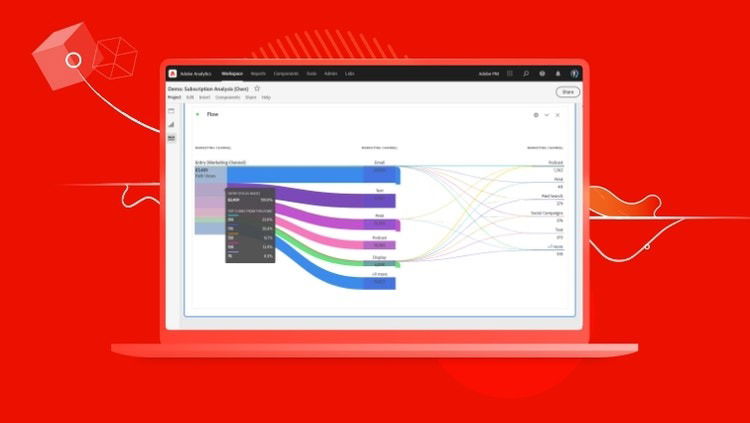
3. Pardot
A Salesforce product, Pardot is tailored for B2B marketing automation. It offers powerful lead generation and nurturing capabilities.

4. Mailchimp
Popular among small businesses, Mailchimp offers a range of automation features with a focus on email marketing.

5. ActiveCampaign
Active Campaign combines email marketing, automation, and CRM functionalities. It is a versatile choice for businesses of all sizes.

Each tool has its strengths and is best suited for different types of businesses. It is essential to evaluate your requirements and choose the one that aligns with your marketing objectives. Read our blog on best marketing automation tools to explore the top 10 tools available for marketing automation.
Is Google Analytics a Marketing Automation Tool?
No, Google Analytics is not a marketing automation tool. It is an analytics tool that provides data about website traffic, user behaviour, and campaign performance. While it offers valuable data to inform aggressive marketing strategies, it does not automate marketing tasks.
Google Analytics can still support marketing automation. Its data can help businesses improve their automation workflows and measure results. For example, businesses can use Google Analytics data to create better audience groups. They can then tailor automated campaigns based on user behavior.
Is SEO a Marketing Automation?
No, SEO (Search Engine Optimization) and marketing automation are different. However, they con work with each other as part of an effective digital marketing strategy. SEO focuses on improving a website’s visibility in search results. It involves improving content, technical performance, and user experience.
Marketing automation focuses on managing repetitive marketing tasks. These can include email campaigns, lead nurturing, customer segmentation, and automated workflows.
When used together, marketing automation can support SEO in several ways:
Content Distribution
Businesses can automatically share optimized blog posts, landing pages, and other content. They can share this content through email, social media, and other channels.
This can help increase content visibility and engagement.
Performance Tracking
Automated reports and dashboards can help businesses track important SEO metrics. These may include organic traffic, keyword rankings, user engagement, and conversion rates.
Lead Nurturing
Businesses can engage visitors who find their website through search engines. They can send personalized emails, useful content, and automated follow-ups. These messages can guide visitors through the sales process.
Together, SEO and marketing automation can help businesses attract the right traffic. They can also build customer relationships and improve overall marketing results.
What is CRM in Marketing Automation?
Customer Relationship Management (CRM) is a system that collects, organizes, and manages customer data and interactions throughout the customer journey.
When a CRM is connected to marketing automation, businesses can create more personalized marketing campaigns. It also helps improve lead management and build stronger customer relationships.
Integrating CRM with marketing automation offers several benefits:
Better Personalization
Businesses can track customer behavior, preferences, and past interactions. This information can be used to create personalized emails, offers, and marketing campaigns.
Smarter Lead Scoring
Automation can assess leads based on their engagement, website activity, and interactions. This helps sales teams focus on leads that are more likely to convert.
Automated Workflows
Businesses can reduce manual work by automating routine tasks. These can include follow-up emails, contact grouping, lead assignment, and customer lifecycle campaigns.
Performance Insights
Businesses can measure campaign results and customer engagement. They can also track sales activities and create detailed reports. These insights help businesses improve their marketing strategies over time.
By connecting CRM with marketing automation, businesses can create smoother customer experiences. It can also improve teamwork between marketing and sales teams. Most importantly, it helps businesses make better decisions using customer data.
Conclusion
Marketing automation can change how businesses connect with their customers. It helps simplify marketing tasks, improve customer engagement, and support business growth. By understanding marketing automation, different workflows, and available tools, businesses can create strategies that match their marketing goals.
Whether you are a small business or a large company, marketing automation can help you save time and manage your marketing more effectively. It can also help you grow your marketing efforts in today’s competitive market.
Ready to step up your marketing? Partner with our Digital Marketing Agency in Bangalore and let us help you leverage the power of marketing automation to drive results. Contact us today to learn more and get started!
Blogs We Recommend:

